Buying Insurance on Mobile: a Rant

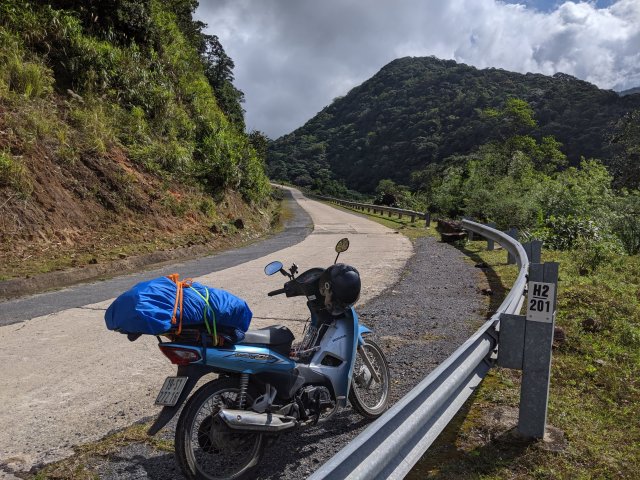
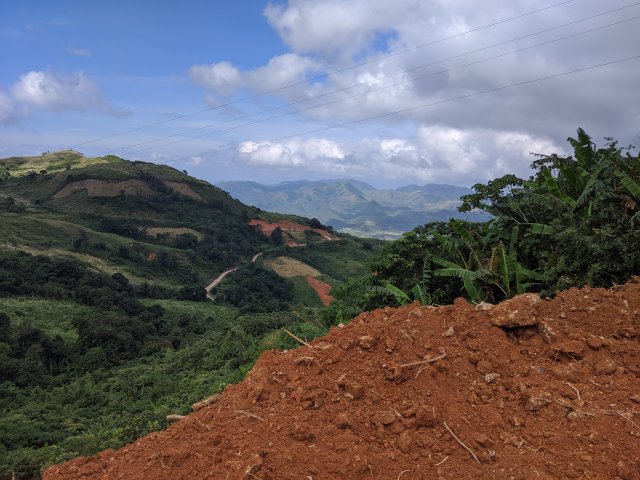
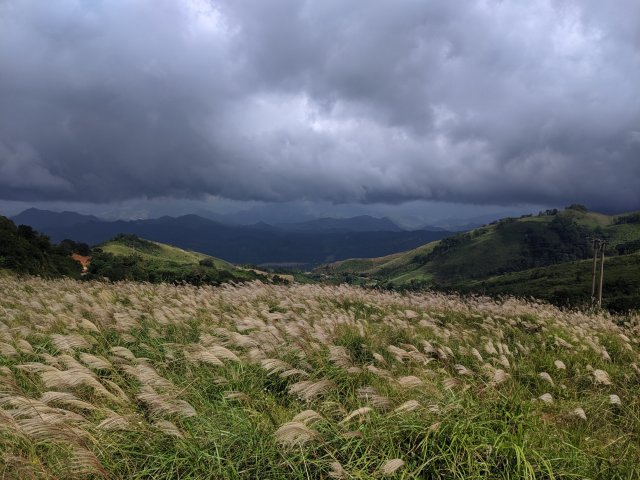
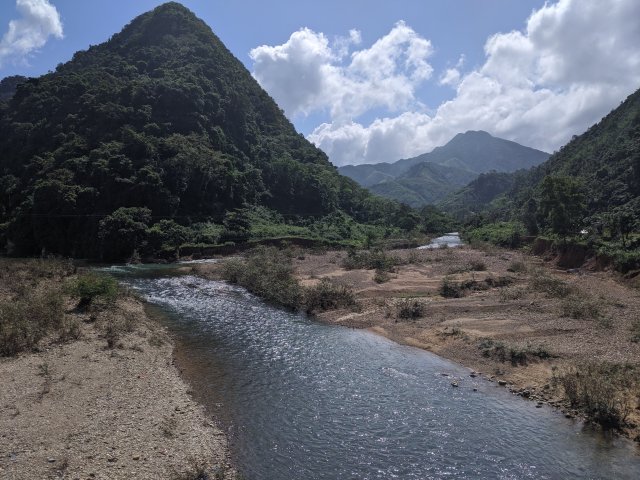
Ok, enough pretty pictures of motorbike rides through the Vietnamese countryside, it’s time for a rant about software, and systemic oppression.

First, a disclaimer: I am neither a lawyer, a doctor nor an accountant, and this should not be mistaken for legal, medical or financial advice. I am a software engineer, and you should definitely consider this advice on designing software.

My current employment status is technically “unemployed”. Ada / TSNE doesn’t have any kind of system in place for an extended leave of absence like this, so on paper I’ve quit, and they’ll hire me back in February. I worked part time through August and “worked” (spun out my vacation hours) the first half of September, so I maintained benefits through the end of the month.

Then, because my country is bass-ackwards and relies on corporations to provide what ought to be a public service, as of October 1st I lost coverage for health insurance. It’s a situation that’s given the Europeans in the hostels a lot to chuckle about.

Being a lazy git, I didn’t dive into the tangle of buying private health insurance until the last possible moment. Of course it takes time for your requests to filter through the bureaucracy, which means things had barely gotten started before I flew up Tokyo.

“That should be fine” I thought to myself. “I’ve got 60 days to get everything sorted out. Sure I’ll be doing it on mobile, but come on, it’s 2019, they must have mobile sites or at least a crummy app or something”. Little did I know.

I found a plan through Kaiser Permanente via the Washington Health Plan Finder, and got to work. My first hurdle was submitting my proof of loss of coverage, to allow me to participate in a special enrollment period. There are two ways to submit such a document: online, or by fax.

Unfortunately their website is 100% broken on mobile. The button to upload a document simply doesn’t appear. I tried a different browser, tried requesting the desktop site, all to no avail. I called their support line, but they could not help me.

So I found a sketchy app that allowed me to send a PDF as a fax. I downloaded the file, and used another sketchy app to actually find it in Android’s filesystem so I could send it. Data probably stolen twice over, but hey at least it was free.

The next hurdle was timezones. I got no response from KP. I gave it a week, then decided to give them a call. Indochina time is 14 hours ahead of Pacific, which means 8-5 for them is 10 PM to 7 AM for me but whatever, I can stay up a little late and be the first caller.

After several hours of phone tag spread over a couple days, I finally got someone on the line who could go look in the fax basket. Oh, there’s your document! We’ll get that filled right away. Great.

A few more business days pass, and I finally get an invoice. Hooray, I can pay for something that should be included with my taxes! For two services I had to set up three different accounts, including making up at least one username (this is a pet peeve of mine – just use my email please), keeping track of passwords, etc. And oh, the horrible web design. Forms full of needless javascript that show a loading widget every time you click a checkbox. Pages that rely heavily on pop-ups and modals, and assume a desktop-sized viewport. Fields that won’t let you paste, for things like confirming your email or your bank’s routing number, or even for passwords (why would this ever be useful?).

It was, frankly, a terrible experience trying to buy insurance on mobile. I seriously considered just not doing it, going uninsured for a few months. And this is for someone who’s about as tech savvy as it gets, who understands what’s going wrong, who knows every trick in the book to convince a bad website to behave, who is well organized and uses a password manager, who is a native English speaker. I cannot imagine how bad it would be for someone who was not all those things.

The frustrating thing is, these are not hard problems to solve. Building a web form that works well on mobile has been done. There are libraries out there that will do it for free, as accessibility features like aria labels, and connect it securely to your backend, without a ton of javascript fluff. Mobile-first design is established canon. Any Ada alum could design a better website than those in a heartbeat. There is no excuse in 2019 for a bad desktop-only website.

So what? Buying insurance on mobile has got to be an extreme edge case, right? Well, not really. According to Pew Research, nearly one in five Americans is “mobile-dependent”, that is, owns a mobile device and does not own a laptop, desktop or tablet. That rate grows substantially if you look at the poor, the young, and underrepresented minorities. In other words, the people least likely to get insurance automatically through their employers. With low income people and URMs, they’re also the least likely to be tech-literate enough to cajole a crummy website into doing what they need.

Effective design takes into account the needs and capabilities of the user. If the user can’t use it easily, it’s not well designed. Often, as in the case of desktop-only websites, poor design disproportionately affects the most vulnerable among us. Often, as in the case of an insurance company’s website, this design serves as a gatekeeper to critical services and functions. When the two intersect, you get systemic oppression: a system that maintains the lines of power, that makes it easy for the rich, difficult for the poor. In other words, bad design isn’t just lazy, or ugly, or difficult to use. Bad design is racist, it’s classist, and it’s ageist.

In this case, bad design also represents a missed opportunity. How many people didn’t buy insurance from KP because they couldn’t figure out how to make the site work? How many hours of call center time were wasted?

As we design our digital world, we have a moral and financial imperative to think hard about design and usability. Can all of our potential customers use our site easily? How do you know – did you test it? Did you ask them? Where are the problems, the kinks in the pipeline, the places where those who need your service most might fall through the cracks? It is our responsibility to consider these questions, to put ourselves in the shoes of those who are different from us, to get their input and build something that works for everyone. Or if you are contacting out such a project, to find a team that will consider those questions, and give them adequate time and funding to do so. To do anything less is oppressive, wasteful, and ultimately beneath us.
Go North, Young Man

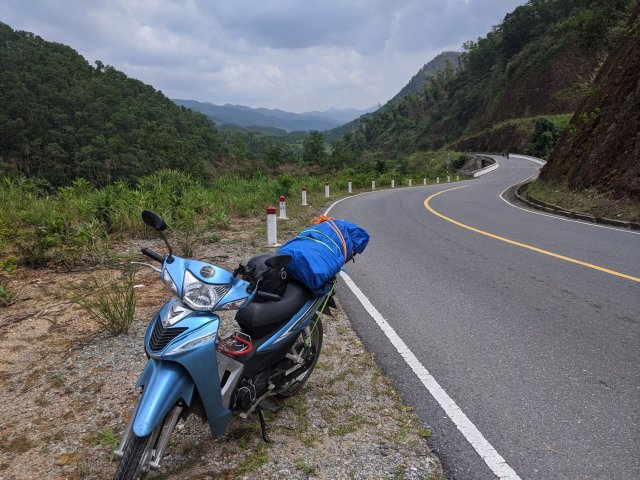
Well, I did it – I rented a motorbike. I’ve got a beautiful sky blue semi-automatic 110cc Honda Wave. It’s just barely more powerful than a scooter, and I love it. I’ve named her Shelby.

Shelby in her natural environment.

The rental was surprisingly easy to set up. I asked for a recommendation at my hostel, checked it out on Trip Advisor, walked over to their shop, and signed one paper. The price to rent Shelby for the 7 day trip to Hanoi was $63, plus a $600 deposit. They gave me a quick lesson on how to drive a semi-auto (it’s like a manual with no clutch, just ease off the throttle when changing gears) and said it would be ready for pick up in the morning.

Yesterday I set off west from Hue for the Ho Chi Minh Road, which runs north-south from Hanoi all the way to HCMC along the mountainous western edge of Vietnam. The road connects many small towns and villages, and is well known for being rich in scenery and light on traffic. I found the road mid-morning, turned right, and drove.

Lunch on the road.

Shelby is spunky, if not exactly powerful. On the flats she tops out around 65kph, which is more than plenty for these twisty mountain roads. I don’t actually know what the speed limit is – it’s not posted – but it’s rare to get over 60kph.

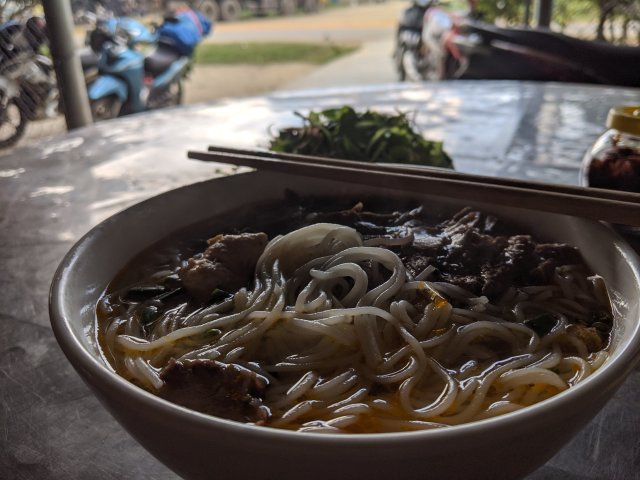
I spent the night in the small town of Khe Sanh. I can’t really recommend a visit – there’s not much to do, and even at 7:30 on a Friday night the place was totally dead. As a stopover though it did the trick. I took a nap, ate a mediocre bowl of pho at the cafe across the street, read my book and went to bed.

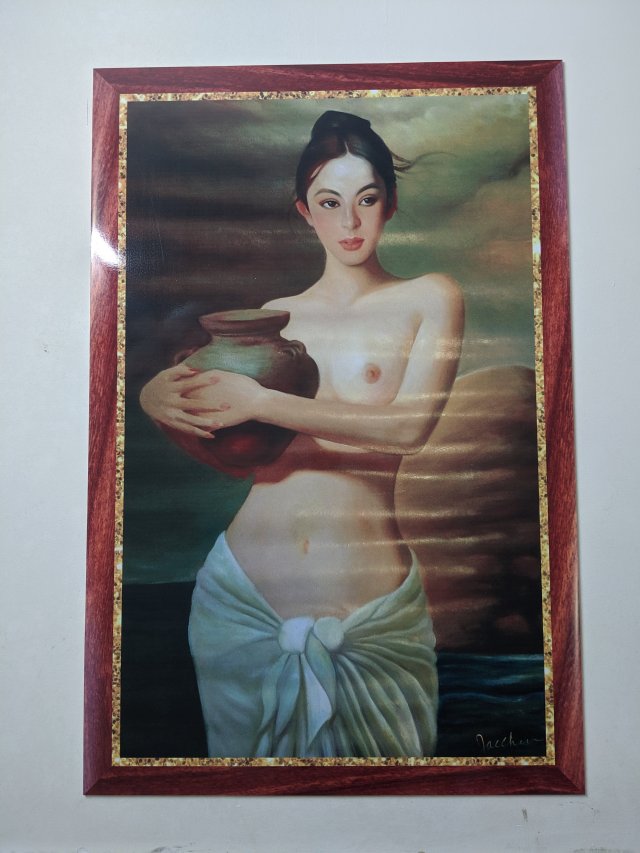
Why was this in my hotel room?

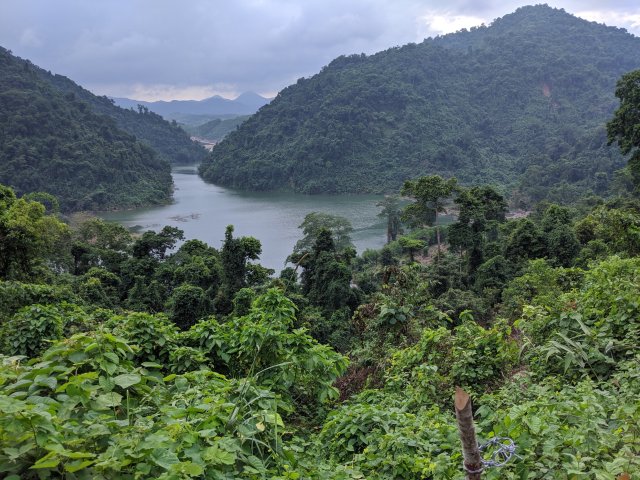
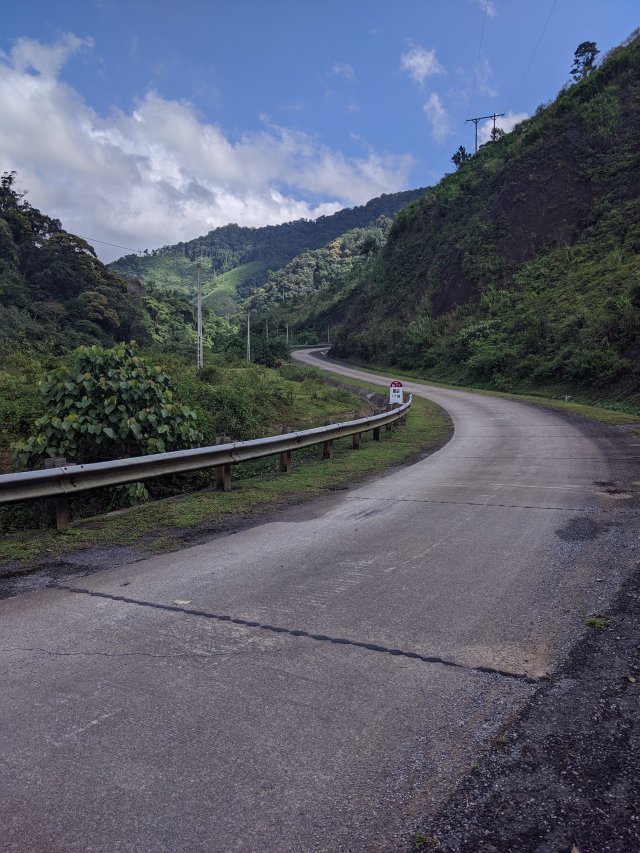
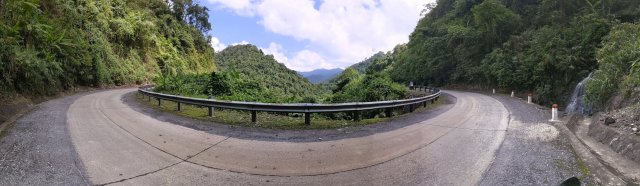
Today I was on the road bright and early, hoping to beat a rain system moving down from the north. The first couple hours were some of the best terrain I’ve seen. The mountain roads were so steep and winding that I seldom made it into my top gear on the way up, and used the brake more than the throttle on the downhills. I probably averaged about 40kph, but it was worth it for the views.

Every few kilometers for the first half of the day there was road work. I suspect that keeping the jungle from consuming the road occupies a small army of construction workers full time. Other slowdowns included herds of cattle and the occasional heavy truck to pass. Traffic was all but nonexistent, especially later in the day. I would go 20 or 30 minutes without seeing a soul.

I drove through one rainfall and flirted with another. Every little valley seemed to have its own weather system – some were quite wet, others hot as a furnace. This stretch was much less populous than the one yesterday, so I didn’t stop for lunch because I never passed an open cafe. I bought a bottle of coke from a tiny village store, and two liters of gasoline from a plastic bottle at another, munched a granola bar, and drove on.

In the afternoon the road opened up a little, and I made much better time. I even got up to 75kph on a long, empty downhill straightaway. It may not sound too fast, but Shelby was jittering like she was about to fall apart! I kept it slower after that.

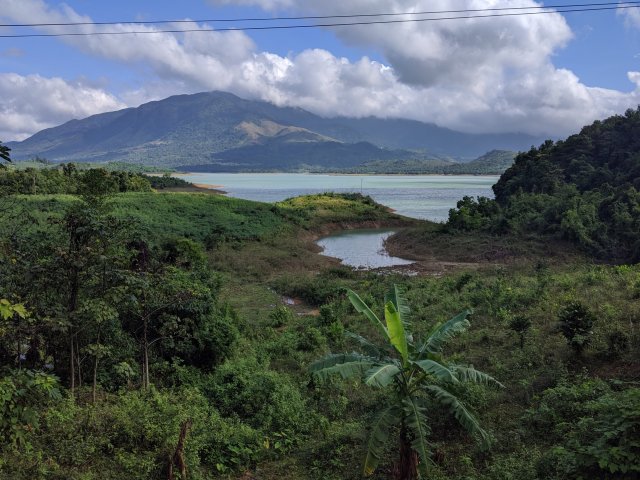
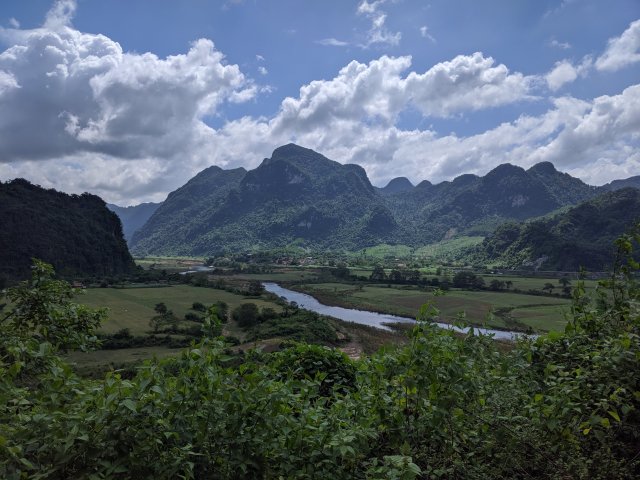
This ride was truly gorgeous. I didn’t stop for photos half so often as I should have, and I still got more than I can reasonably post here.
Now I’m in the village of Phong Nha, which provides access to Ke Bang National Park, famous for its splendor caves. I’ll be exploring those tomorrow, then it’s back on the road.
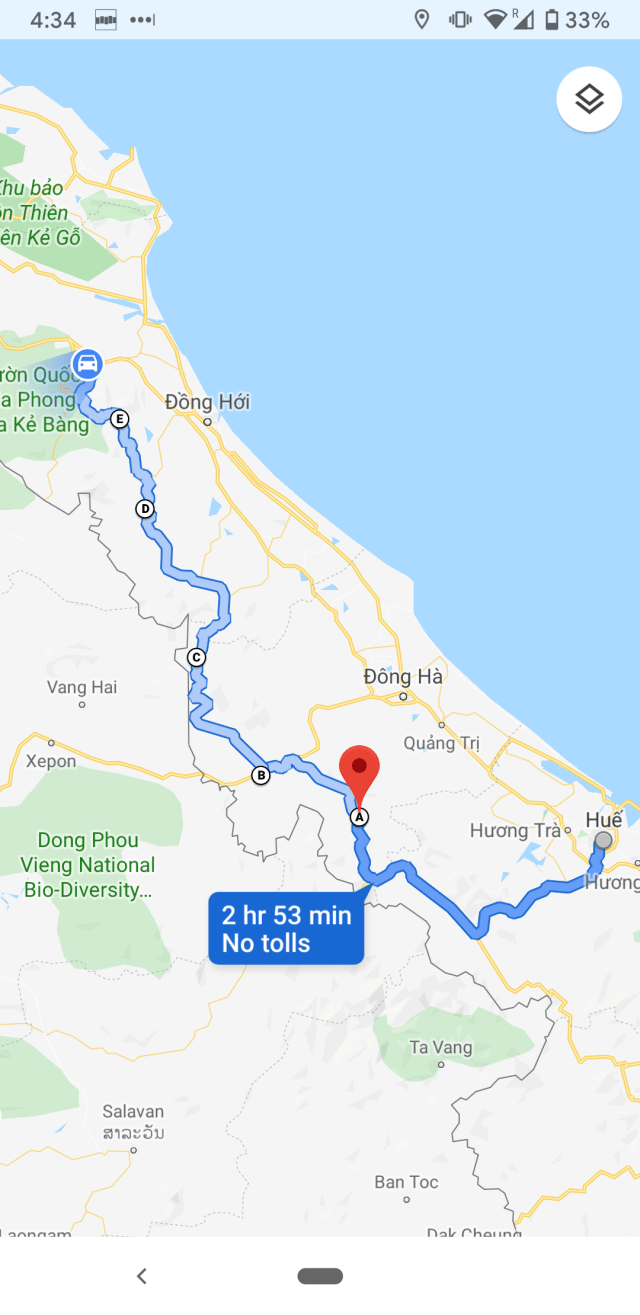
2 days of driving. Google’s estimate is only for the first segment, the whole thing was about 400 km.

Hai Van Pass

Geographically, Vietnam is a country divided. The north is big, wide and mountainous, the south is big, wide and flat, but in the middle it narrows to a slender stretch between the mountains and the sea. Just north of Da Nang the mountains jut out and touch the ocean, creating a clear divide between north and south. The mountains are high and steep, and once served as a boundary for empires (though it is not the location of the DMZ).

Winding through these mountains is the Hai Van Pass. This road used to be the principle route between north and south. In 2005 a tunnel was constructed under the mountain, leaving the pass as a side route for motorbikes and flammable cargo. This means the Hai Van Pass is a relatively safe, easy, and extremely scenic ride. So in the morning I rent a scooter in Hoi An and set out over the pass toward Hue.

My trusty steed

I stop in Da Nang, 20 km north of Hoi An, for gas (the scooter came nearly empty), coffee and an ATM. Almost as soon as I’m back on the road a brown-uniformed Vietnamese man wades out into traffic, points his baton at me and waves me over to his friends. Shit, the police. He explains in excellent English that they’re performing spot checks of foreigners, to ensure they have the proper documentation.

It is, of course, completely illegal for me to drive a motorbike in Vietnam. I do not have an international driver’s license, nor do I have a motorcycle endorsement. The cop looks at me sternly and begins to taking about the consequences: impound the bike, big fine, lengthy legal process. Adrenaline spikes; I begin to sweat. But this is a play with well defined roles, and so I say my line.

“Is there any way I can pay the fine now, in cash?”

Such “spot fines” are common in Vietnam, where the police are notoriously corrupt. Pay in cash and walk (or drive) away, no paperwork required. What happens to the money once I’m gone is none of my concern.

“Hold on, I need to talk to my captain”. Double shit – have I been pulled over by the only straight cops in Vietnam?

Nope. The captain pulls me aside, takes out a long, official looking form, and fills out exactly one line with a number: 2,000,000 VND. Just over $85. Thank goodness I stopped at the ATM. I hand over the cash and am free to go, just like that.

A huge wave of relief washes over me as I speed away. It worked! I stop at the next ATM and pull out a double helping of cash, just in case I’m stopped again.

The rest of the ride is smooth as silk. The pass itself is incredibly beautiful, the weather perfect and the road in great condition. I wind my way up and then back down, feasting my eyes on the view.

I stop for lunch at a little oceanside Cafe. Seafood tastes better to the sound of waves crashing on an endless, empty beach.

I continue to make my way north up the coast. I am in no hurry, and meander a bit. I explore side roads, sit on random beaches with a book, stop for a beer. The scenery is some of the most beautiful I’ve ever seen.

I find myself on a coastal road paralleling the main highway. Though Google Maps colors it orange like a major road, it is just a two lane track connecting the villages along a spar of land between the ocean and a bay. In some places it is not even paved. In all places it is spectacular.

In addition to the scenery, along the road there are hundreds of shrines. Some are small, some are sprawling, almost all are intricately decorated. I have no idea what they’re for.

Finally, with night falling, I make my way into Hue. Dodging through rush hour traffic is intense, but the flow makes sense and no one is going that terribly fast. I turn in the bike at the shop, get a ride to my hostel, and fall onto the bed, exhausted.

This was one of the best days I’ve had on this trip, even including the police encounter. At this point I’m seriously considering renting or buying a bike here and driving all the way to Hanoi along the Ho Chi Minh Road. The timing just about works out… stay tuned.

Today’s route – 167 kilometers, give or take.

The Routine

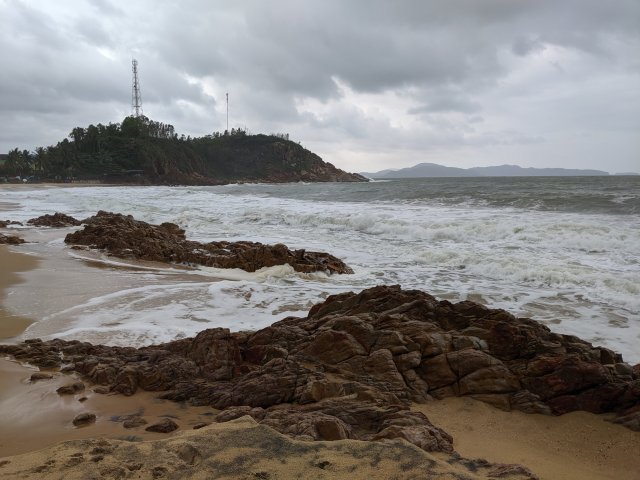
I’m currently in a tiny resort town called Quy Nhon (pronounced Gwee-Nyong), on the south central coast of Vietnam. It’s the sort of place where middle class Vietnamese families go to vacation or retire, so there’s not a ton going on – decent food, great beach, minimal nightlife. That would be perfect, except for the weather – my options the past few days have been thunder storm, or threatening thunder storm.

About 3 minutes after I took this photo I was soaked to the bone.

The most exciting thing that’s happened here is me stubbornly sitting on the beach in the rain. The second most exciting is a disappointing beard trim (way too short, a combination I think of Google translate not working great for Vietnamese and the barber never having touched a proper beard in his life). So, for this post I figured I’d write about what it’s like to travel for an extended period.

But first, photos from Quy Nhon.

Can you imagine this on a sunny day?
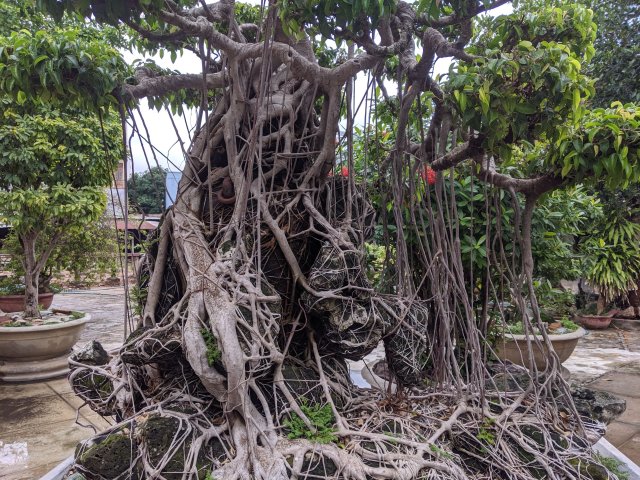
Cool trees at the local pagoda.
Typical communist propaganda. This kind of thing was all over Quy Nhon.

Where do you stay?

I pretty much always stay in hostels. A hostel is to a hotel what a college dorm is to an apartment. It’s usually a few rooms full of bunk beds and lockers, a shared bathroom, kitchen and common room, and often a bar.

Hostels have a reputation for being a bit seedy, but there’s a wide range out there. Some are nonstop parties, some are quiet little mom and pop places, and some are giant institutions with hundreds of identical beds. If you do your research you can easily find ones that are comfortable, clean, friendly and secure. I do my booking through hostelworld.com, which hasn’t steered me wrong yet.

So why would you stay in the dorms? First, it’s cheap. Hostels in Vietnam start around $4-5 per night, with private rooms starting at $12. In Japan and Korea they were closer to $25-30. A good rule of thumb is, a bunk in a hostel will cost about a quarter as much as a budget hotel room.

Second, hostels are a great way to meet fellow travelers. They tend to attract a certain kind of client: adventurous, outgoing, traveling alone or in a small group, looking for a good time on the cheap. Most are European, American or Australian, and English is the language of the common room (lucky me). There’s always a few people hanging out, and you’ll always be welcome to join the conversation, motorbike tour or bar crawl. Every once in a while you’ll meet someone again, traveling on parallel paths, which is a delightful reunion though you’re likely to have forgotten their name.

How do you get around?

Depends on where you are. In Japan it was trains, in Korea it was subways and city busses, and in Vietnam its been a grab bag.

Between cities, your best bet is the train if you can take it. The Reunification Express runs along the cost from Ho Chi Minh City to Hanoi and back, and there are a few smaller lines as well. If the town you’re headed to doesn’t have a train station, then it’s the bus for you. Vietnam has a solid network of coach busses run by private companies that will get you just about anywhere.

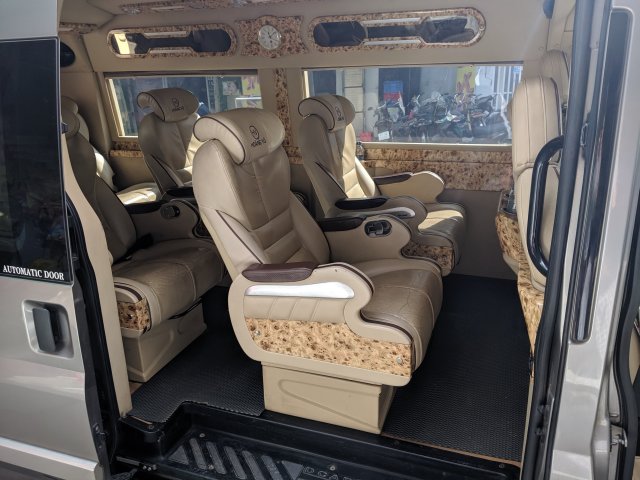
These busses are a bit of a wild ride. Some are “limousine” vans, escorting people in relative luxury. Some are overnight sleeper busses, with flat beds to lay in instead of seats. These are not the most comfortable, given that I’m 17 centimeters taller than the average Vietnamese person, but they get you there.

And then there’s the drivers. Everyone (including locals) agrees that Vietnamese bus drivers are completely insane. They seem to have a mandate to pass as many other vehicles as possible. Sometimes it feels like they spend longer on the wrong side of the road than on the right side. Combined with the twisty mountain roads the ride can be a little sickening, especially in the back rows. The horn is an essential tool of the job, even in the dead of night. It’s best to just pop a travel sickness pill, put on an audiobook, close your eyes and imagine yourself elsewhere.

A comfortable limousine van (driver is still insane).
View from the back row of a sleeper bus.

Inter-city transportation typically costs $10-15, and can be booked online or through your hostel. I’ve become a fan of a website called geckoroutes.com, which has detailed point-to-point travel information for much of Southeast Asia. For example, here is my next leg from Quy Nhon to Hoi An.

Once you’re in town, the best way to get around is an app called Grab. It’s basically Vietnamese Uber, with support for motorbikes and cash payments. Ripping off hapless tourists is something of an art along taxi drivers here, so having a reliable fare calculated in advance is clutch. Grab also has a reputation for safety, unlike some of its competition. A 20 minute ride on the back of a motorbike will probably cost about a dollar.

How far in advance do you plan?

The short answer is, “it depends”. Japan I booked almost entirely in advance, because I had a specific thing I wanted to do. I had my hostels in Seoul and HCMC booked before I left Seattle, but let myself improvise on activities.

Since then I’ve been keeping a 2-3 day buffer. I’ll show up in a city with a vague idea of where I want up go next, meet people in the hostel who are headed the opposite direction and see what they recommend, figure out how long I want to stay where I am, and then book my next leg. One thing I have learned is to book transportation before the hostel, because they’re more likely to sell out or run at odd times.

What gear do you carry?

As I mentioned in my packing post, everything I have fits in a 40L pack. This is key because it’s not uncommon to find myself trekking a kilometer or two from, say, the bus depot to my hostel, and it’s nice not to have to maneuver a roller bag across broken sidewallks full of curbside cafes and parked motorbikes.

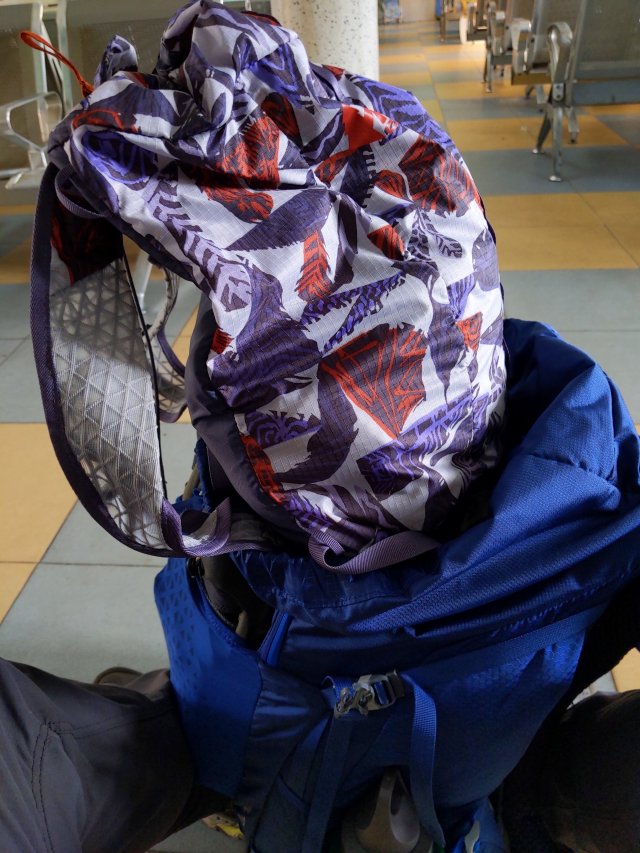
Inside my bag is… another bag! This cute purple one is my day pack, so that I don’t have to lug everything I own on little excursions. It’s quite comfortable, and is plenty big enough for a water bottle, a rain jacket, my e-reader and a snack.

“A room within a room; a door behind a door…”

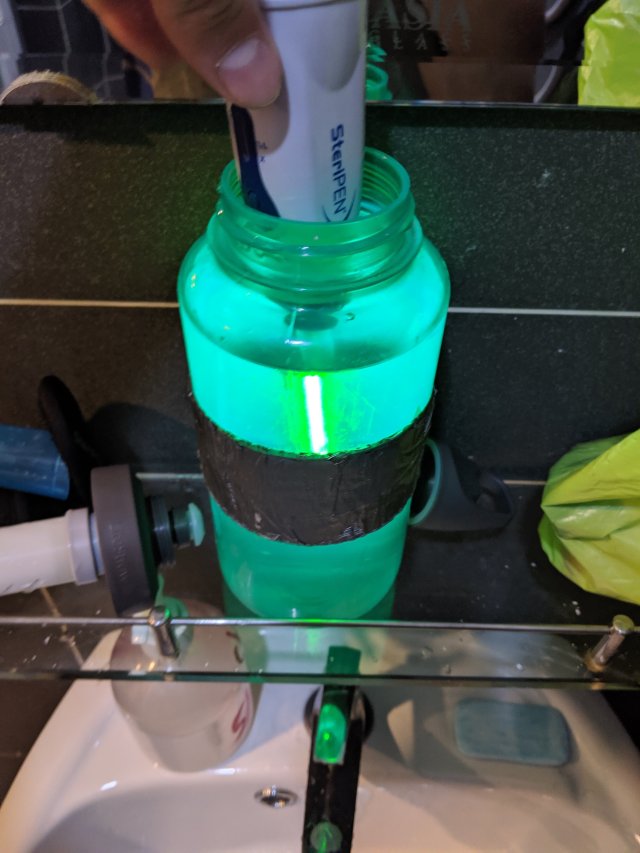
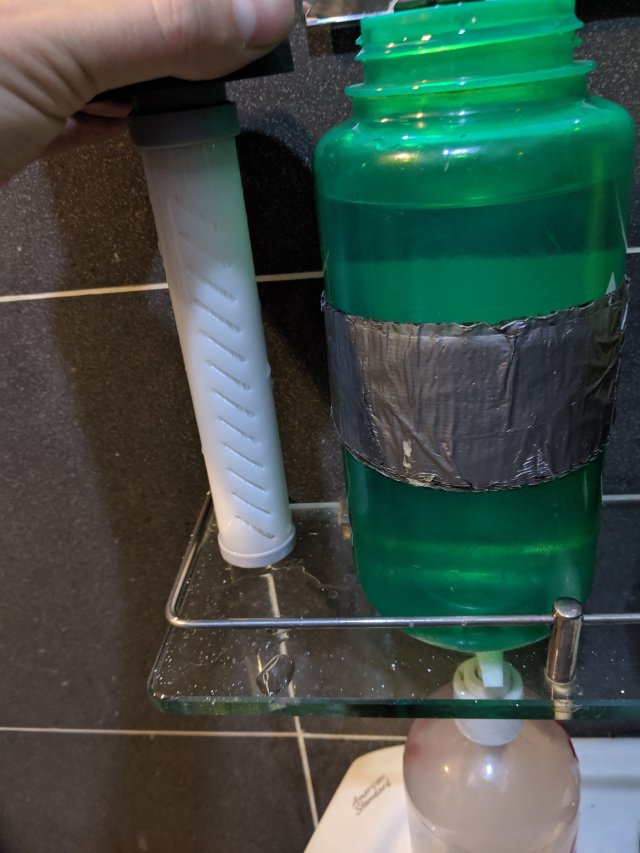
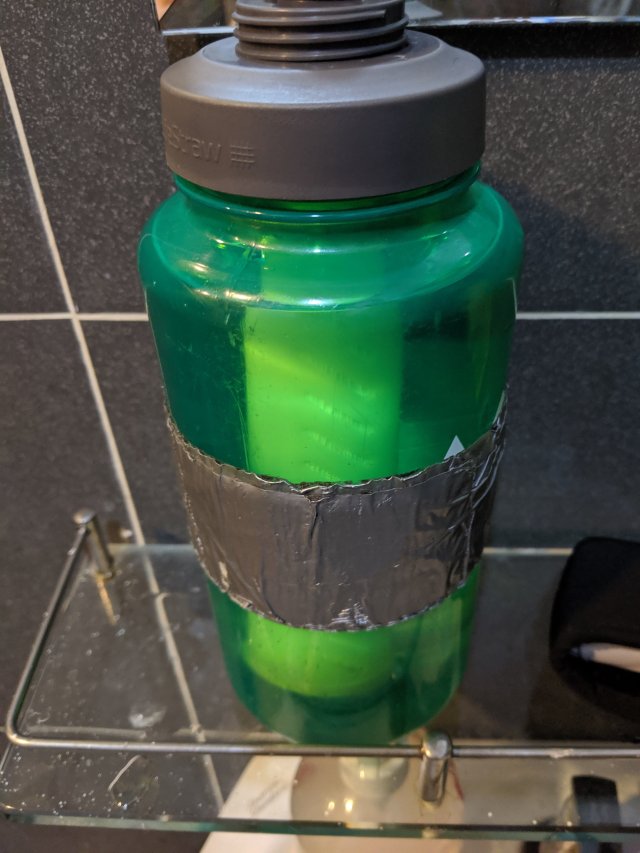
A last minute addition to my gear list, and one that I’m particularly fond of, is my water treatment system. This consists of a battery powered UV purifier and a Lifestraw filter. The UV kills everything, and the filter keeps out particulates (it filters bacteria but not viruses, and their website recommends the using both when traveling). Together these mean I can fill up a bottle at the sink instead of wasting a bunch of plastic.

Other than that it’s about what you’d expect. Sturdy walking shoes and sandals. Toiletries, including antimalarials and antibiotics. A few changes of clothes, mostly fancy wicking synthetics but with a couple pairs of cotton underwear for sleeping. I do laundry about once a week, as convenient.

Probably the best thing you can bring on a trip like this is an open mind and a good sense of humor. Cultural differences can feel weird and uncomfortable. Mistranslations can result in dumb mistakes. You’ll get lost, get ripped off, get tired and hangry, get sick of the people you met at this hostel. The key is to remember that it’s all part of the experience, that you’re here to learn and push yourself as much as to have a good time, and that whatever doesn’t kill you only makes you stronger.

Wrapup

Hopefully that was interesting. Secretly I’m hoping that providing a window into the day-to-day will encourage those of you who haven’t traveled much or in this way to give it a shot. Maybe meet me in Thailand in December?

Also, these were all made up questions! If you have real ones you want answered, let me know!

Da Lat

Da Lat is a town of about 400,000 in the highlands of southern Vietnam. At about 1,500 meters above sea level it has a practically perfect climate, making it a hub for agriculture, particularly flowers and vegetables. It has a modest but growing tourism industry, capitalizing on both the flowers (Da Lat bills itself as the city of love and the honeymoon capital of Vietnam) along with outdoor sports in the surrounding mountains. I spent the last 4 days exploring the city, and would highly recommend it to anyone traveling in Vietnam.

First off, I have to give a shout out to my hostel, Tree House. While it was not actually in a tree, Simon, Hannah and their staff were super helpful and friendly. From advice about where to eat, to booking tours and even my bus ticket to the next town, I probably would not have managed without them. Also, Hannah’s cooking is amazing!

As I often do, I spent my first day in Da Lat just wandering around the town to see what I would see. At the center of town is a man made lake, maybe twice the size of Greenlake, so my plan was to make a rough circuit. The wonderful staff at the hostel even gave me a map and highlighted a few things.

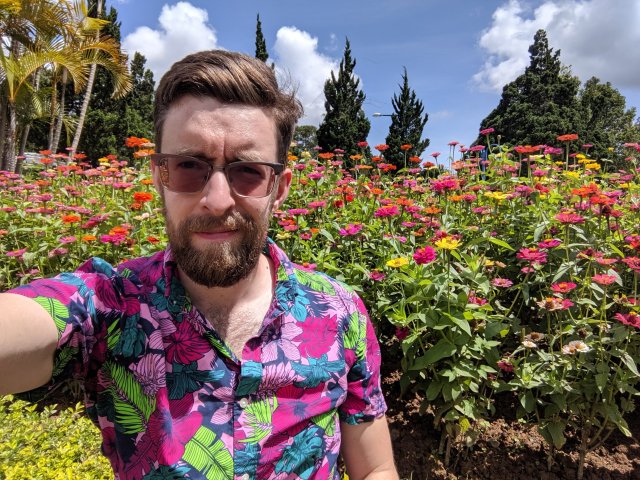
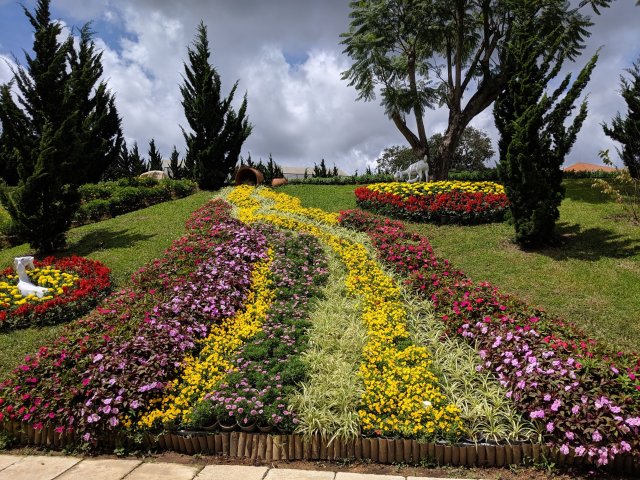
My first stop was the flower park, which was absolutely delightful. I would call it an embarrassment of flowers. I spent a while wandering around, then found a little pavilion and sat with my book for a while.

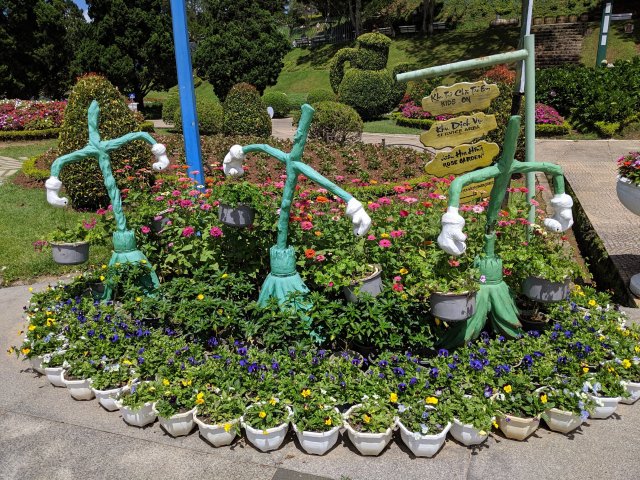
Licensed by Disney? Probably not.

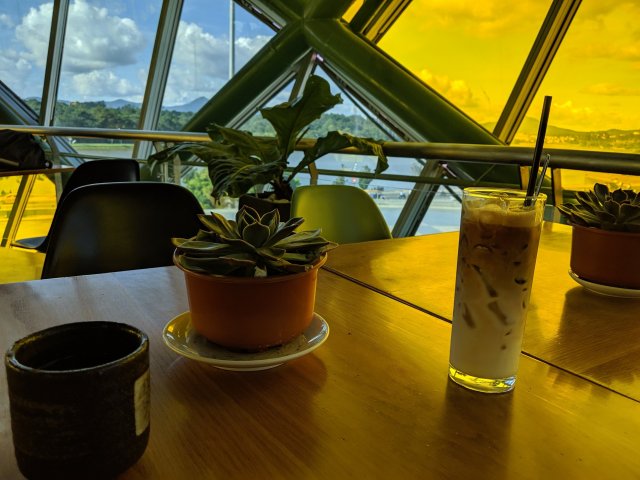
I saw a couple more interesting spots, including an old art deco train station from the colonial era and the strange flower-shaped buildings of Da Lat square. You can’t walk 100 meters in Da Lat without stumbling over a coffee shop. The tropical highlands are the perfect climate for growing the beans, and coffee culture is alive and well here. Coffee, lunch, more coffee, read a chapter, keep wandering.

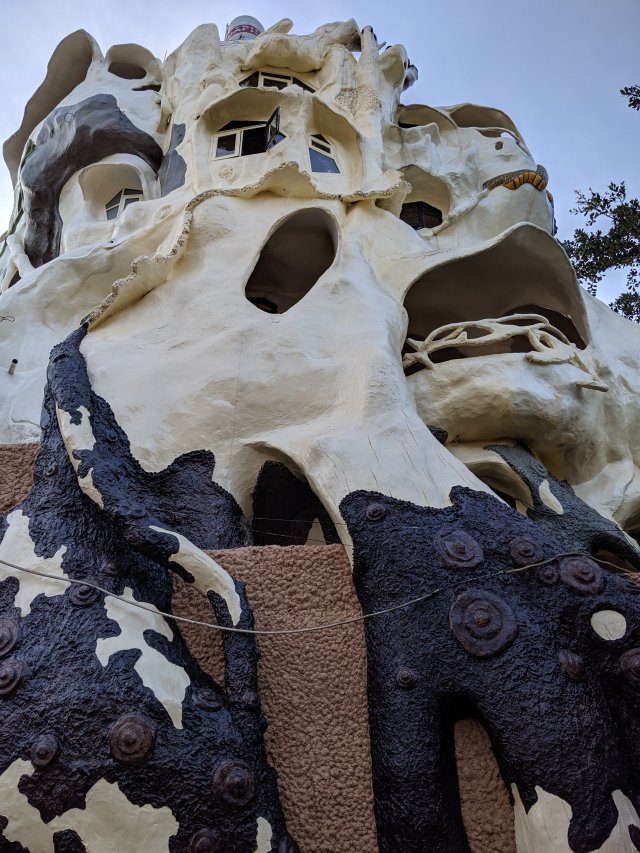
Late in the day, my feet took me to the Crazy House, an architectural oddity nestled in the hills above town. If Salvador Dali, Antoni Gaudi and Dr. Seuss teamed up to design a villa, this might be what they would come up with.

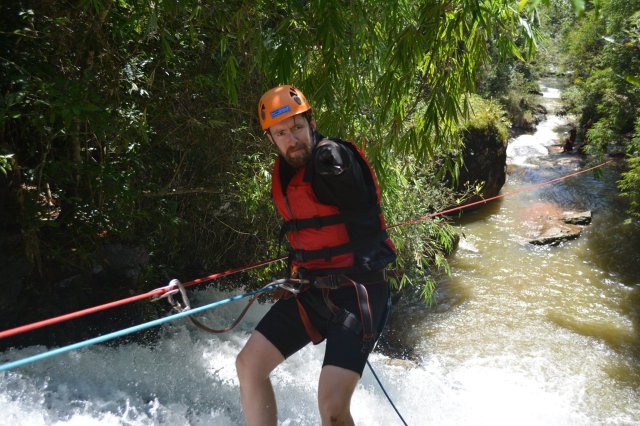
My second day in Da Lat I went canyoning. Canyoning is basically what it sounds like: you start at the top of a canyon and make your way down it, abseiling down waterfalls, descending zip lines, and generally having an exciting time.

We finished with a delicious picnic lunch, including far and away the best mangos I have ever eaten.

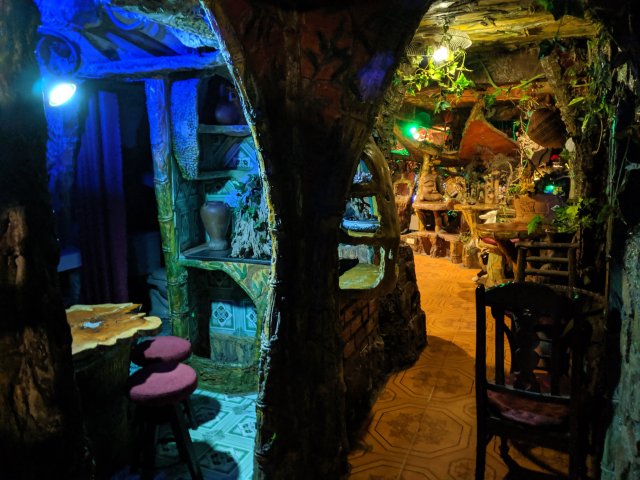
The canyoning crew traded numbers and decided to go out drinking later in the evening. We found ourselves at Maze Bar, designed by either the same architect as Crazy House or one of her students. Maze is a good name for it – the place is a labyrinth spread across 6 floors and a basement. It had the feel of a nightclub in places, pumping bass and pulsing lights, but there were all sorts of quiet nooks and eddies where you could chat without shouting or even sit with a book. Someone said it was a coffee shop before it became a night club, and that makes a lot of sense to me. The drinks were cheap, the staff was friendly, and I kind of wish we had been there on a weekend instead of a Monday.

Most of the Maze was too dark for photos, but this is a typical room.

My last full day in Da Lat I signed up for a motorbike tour of the countryside. My driver met me at the hostel and then we joined a caravan: 6 bikes, each with tourist and driver.

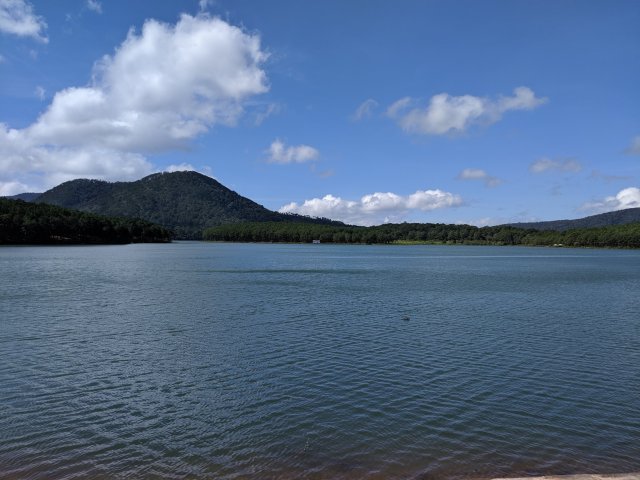
Paradise lake. The expansive villas in the surrounding hills serve as vacation retreats for wealthy Party members.

This is how mushrooms are grown.

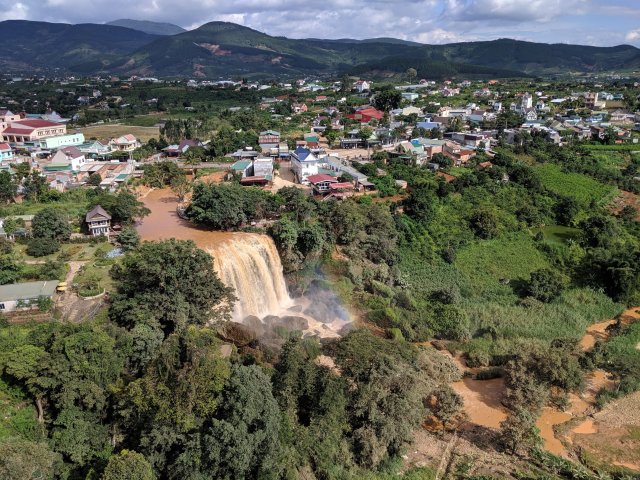
We eventually went for a swim in this waterfall.

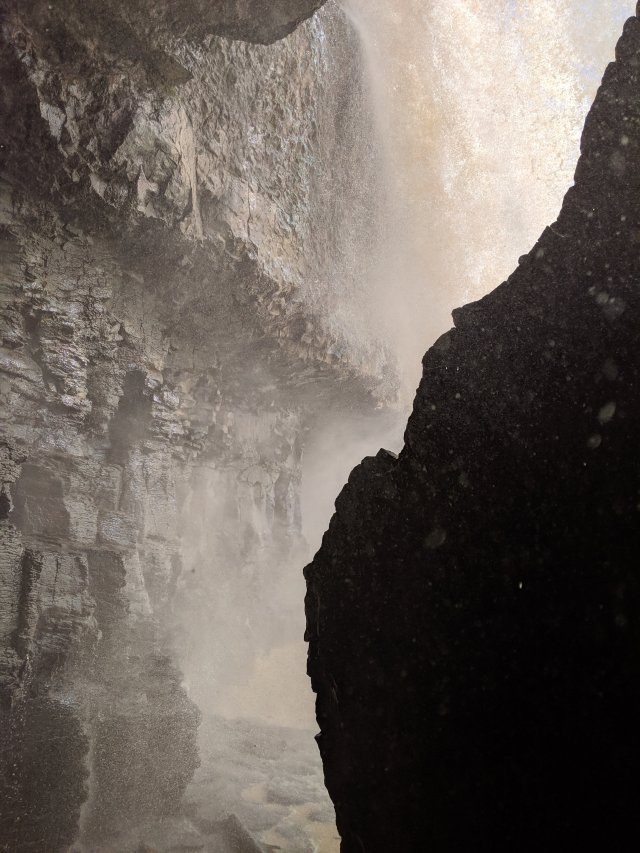
Different waterfall with a nice cave behind it. I was glad I brought a rain jacket.

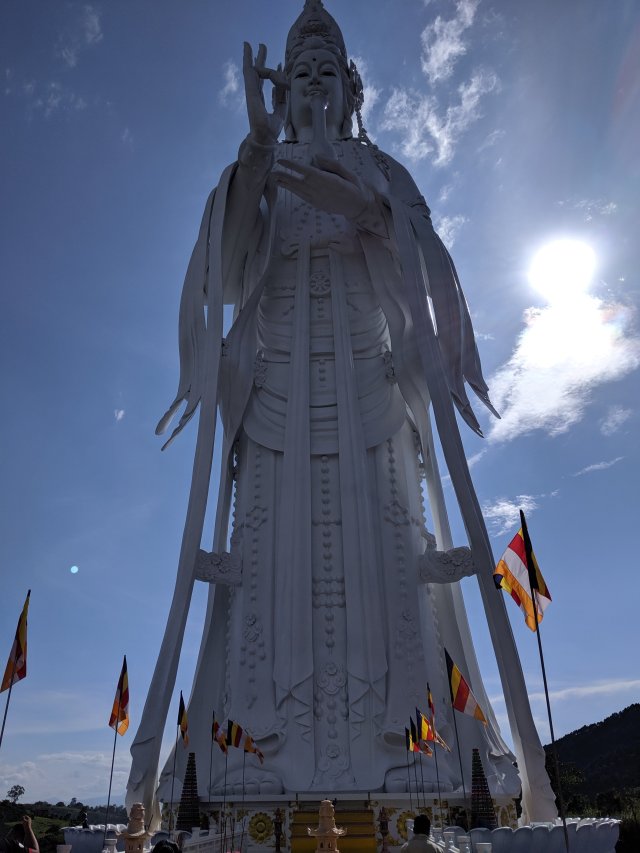
At 71 meters, she’s the biggest Buddha in Vietnam.

What the Buddha sees.

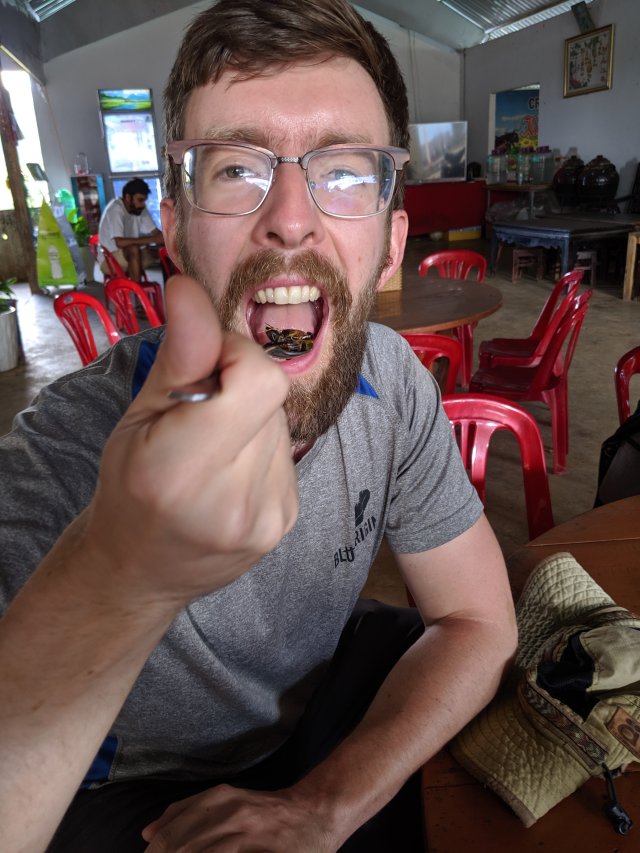
Big spoonful of crickets! I probably wouldn’t pay for them, but I would totally munch on them mindlessly while drinking beer.

My driver Thach and I made friends, so before he dropped me off he offered to come back a little later and take me out drinking. Of course I accepted – following leads and saying yes to things is one of my goals for this trip.

Around 9:00 I hopped back on his bike and we sped off. Our first stop was the lake, where we took a peaceful moment to savor some aromatic herbs he had grown himself. Then we wandered across the street to one of Da Lat’s two nightclubs. There we found pumping Vietnamese EDM, a table full of beers and a big platter of fruit, and a waiter to babysit us and make sure we didn’t mix up our drinks. There couldn’t have been more than 15 people in the whole club – it was a Tuesday evening in a sleepy town – but we made a party of it anyway.

I was nervous about the price. This kind of service must be expensive, right? I snatched the bill as soon as it came, but I needn’t have worried. and the total was 800,000 VND, just about $35. Expensive by Vietnamese standards, but less than two people would spend for a night of drinking even in a cheap bar back home.

We finished the evening with big bowls of noodle soup in the market, the perfect end to a fabulous few days in Da Lat.